Panel Probes the Question, What if the Economy Worked for Democracy?
Watch a video replay of a panel probing the multifaceted relationship between the economy and democracy.
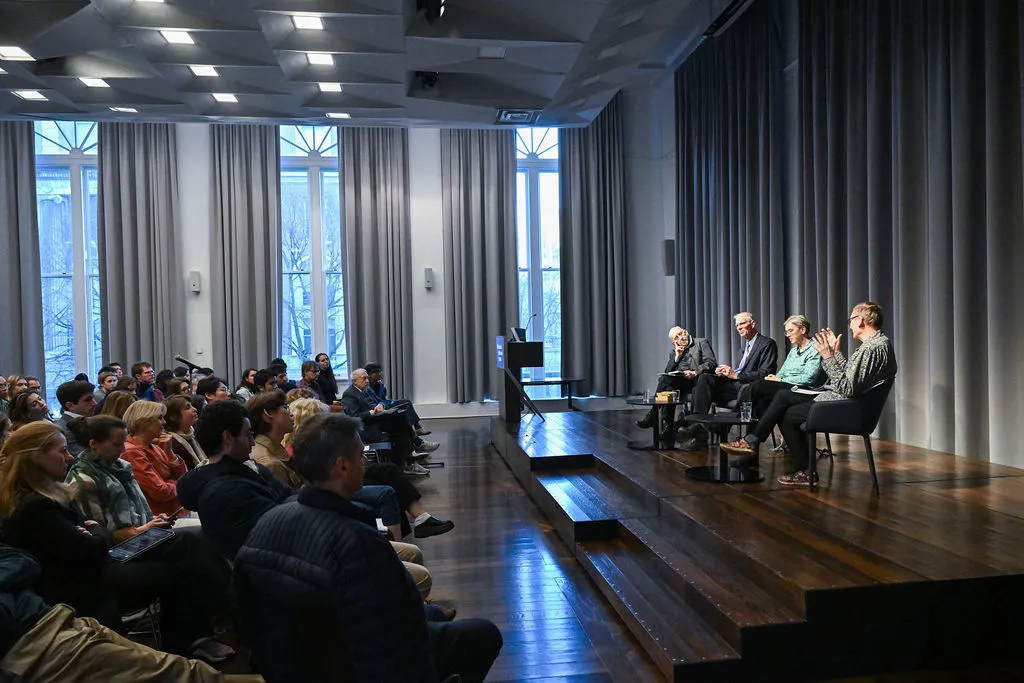
On Apr. 9, 2025, the Center for Political Economy hosted the panel discussion “What if the Economy Worked for Democracy?” to consider the multifaceted relationship between the economy and democracy across disciplinary perspectives.
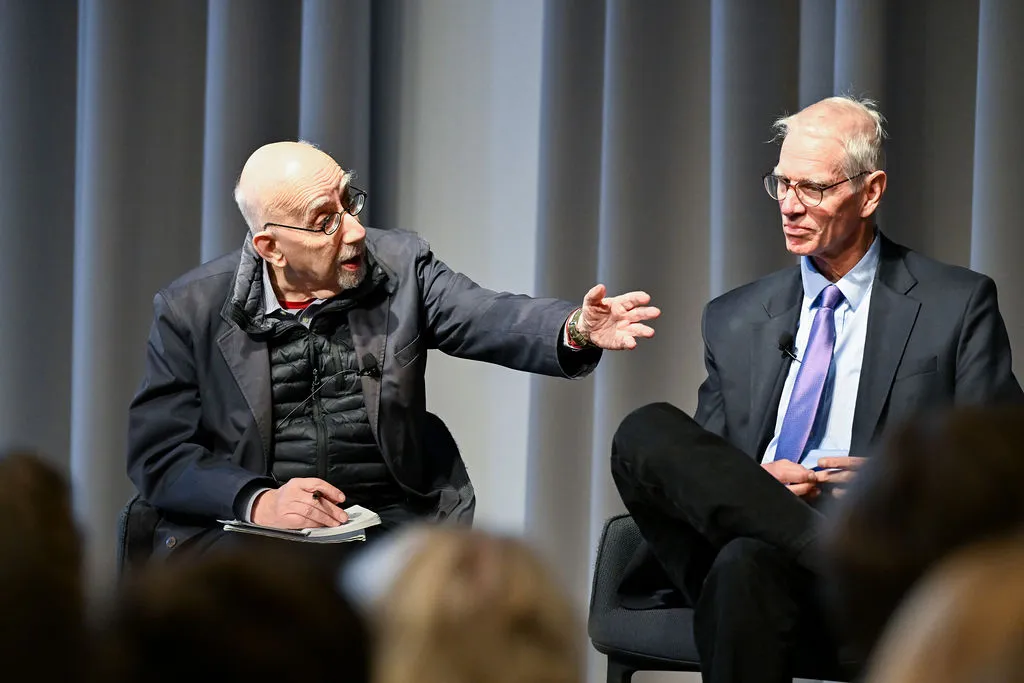
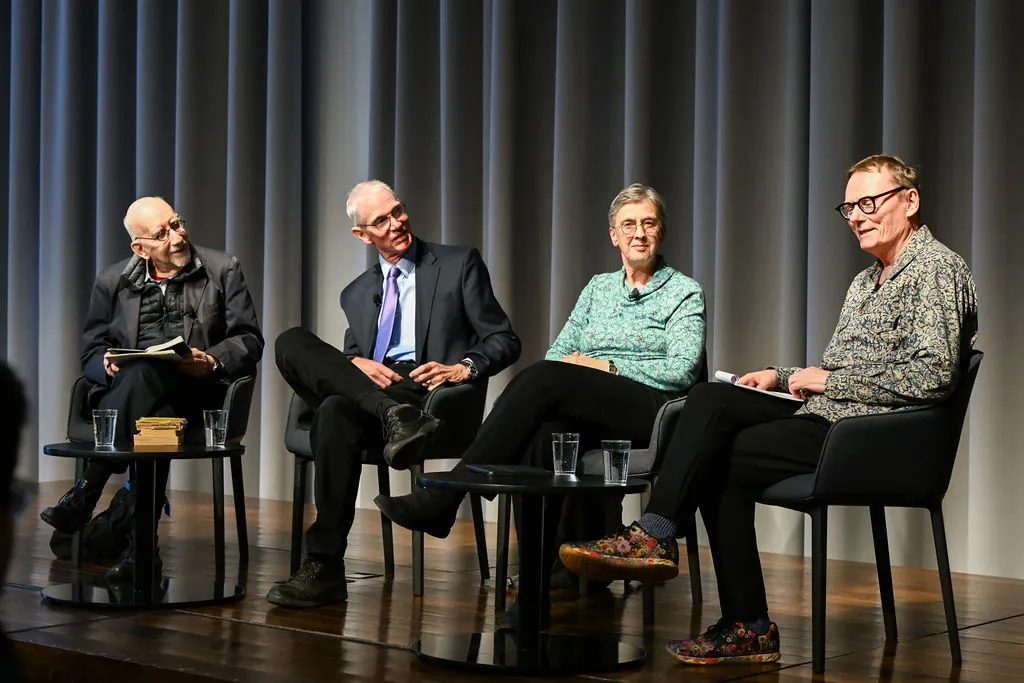
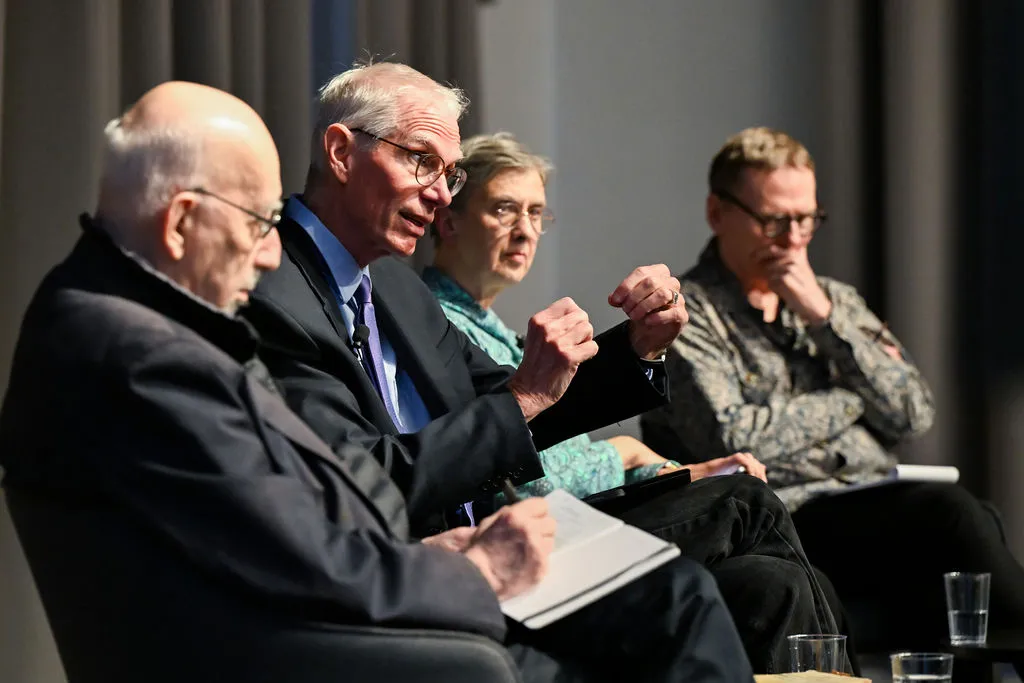
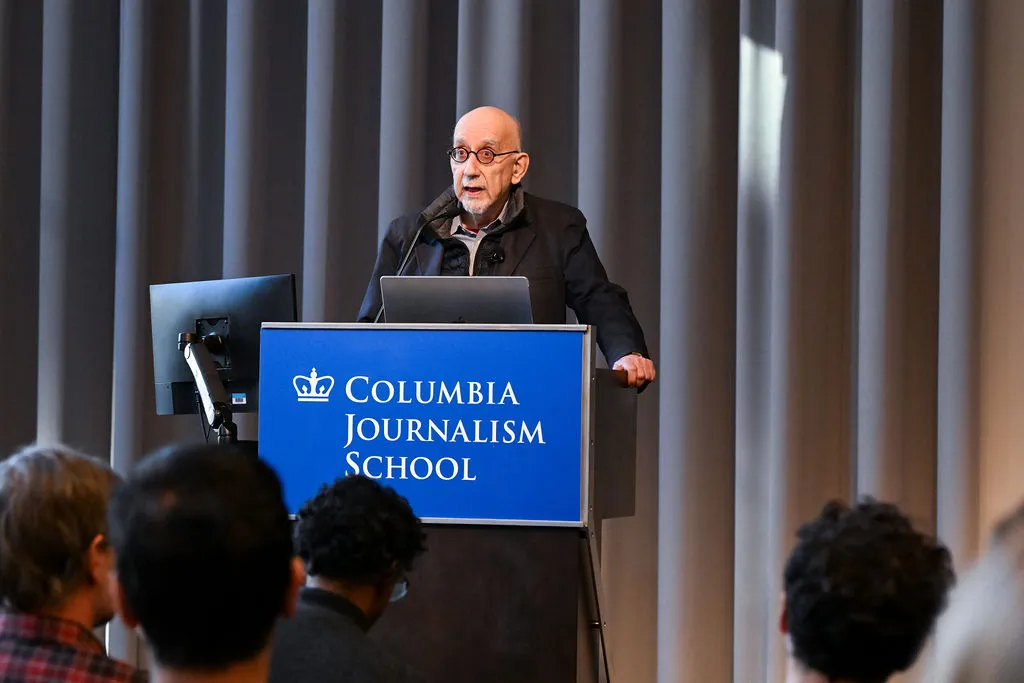
Ira Katznelson, Ruggles Professor of Political Science and History, a Co-Director of the Center and a deputy director of Columbia World Projects – the institutional home of the Center – served as moderator and introduced the panel, underscoring the “basic, fundamental, and essential” nature of the conversation in the political moment.
“Even those who might have anticipated the results of the [2024] presidential election before it took place will have been surprised at the administration's radical policies,” Katznelson said, citing purges of civil service, assaults on independent institutions, shifts from legislative to executive power, and the use of fear.
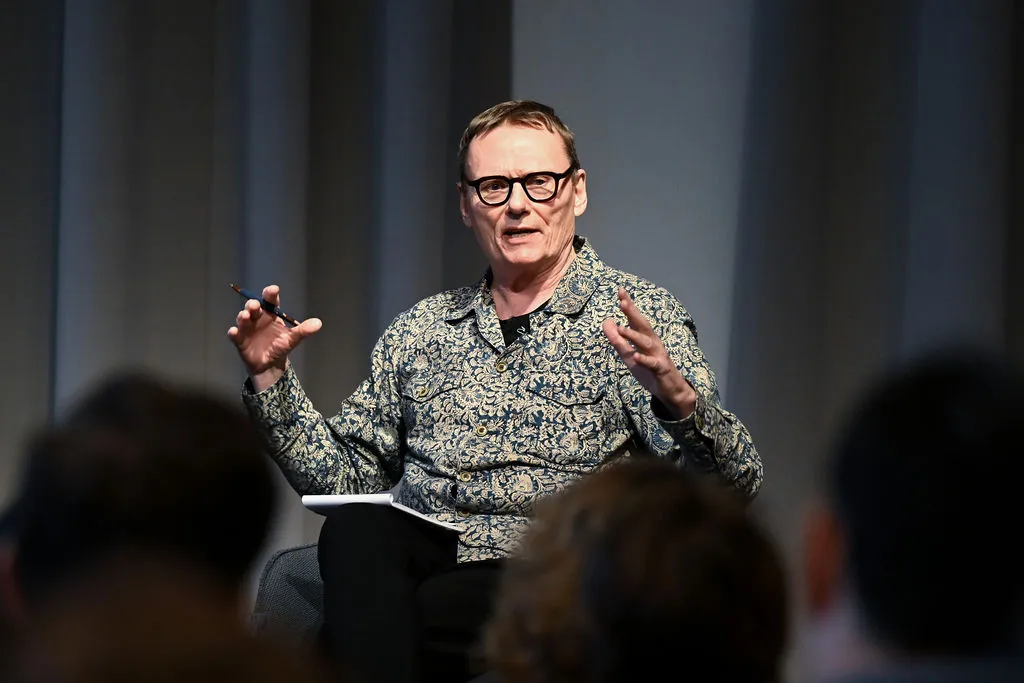
Katznelson went on to stress the need for incisive analytical and theoretical perspectives before introducing the panelists: scholars Josiah Ober (Stanford), Katharina Pistor (Columbia), and Jim Robinson (University of Chicago).
Image Carousel with 7 slides
A carousel is a rotating set of images. Use the previous and next buttons to change the displayed slide
-
Slide 1: Ira Katznelson introduces the topic and panelists (photo by Diane Bondareff)
-
Slide 2: (photo by Diane Bondareff)
-
Slide 3: (photo by Diane Bondareff)
-
Slide 4: (photo by Diane Bondareff)
-
Slide 5: (photo by Diane Bondareff)
-
Slide 6: (photo by Diane Bondareff)
-
Slide 7: (photo by Diane Bondareff)
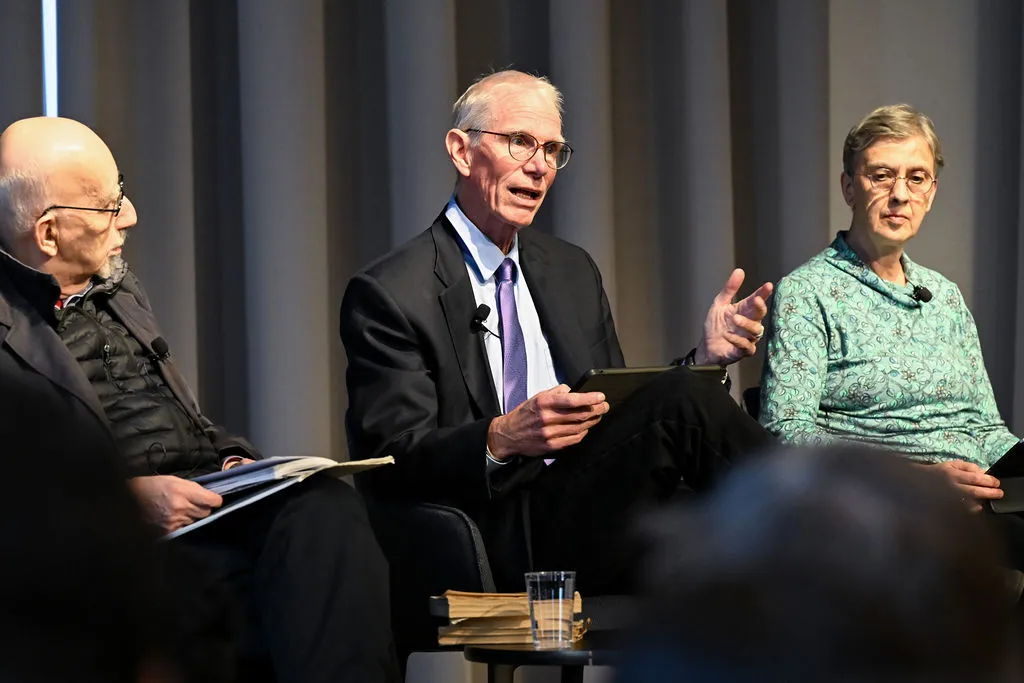
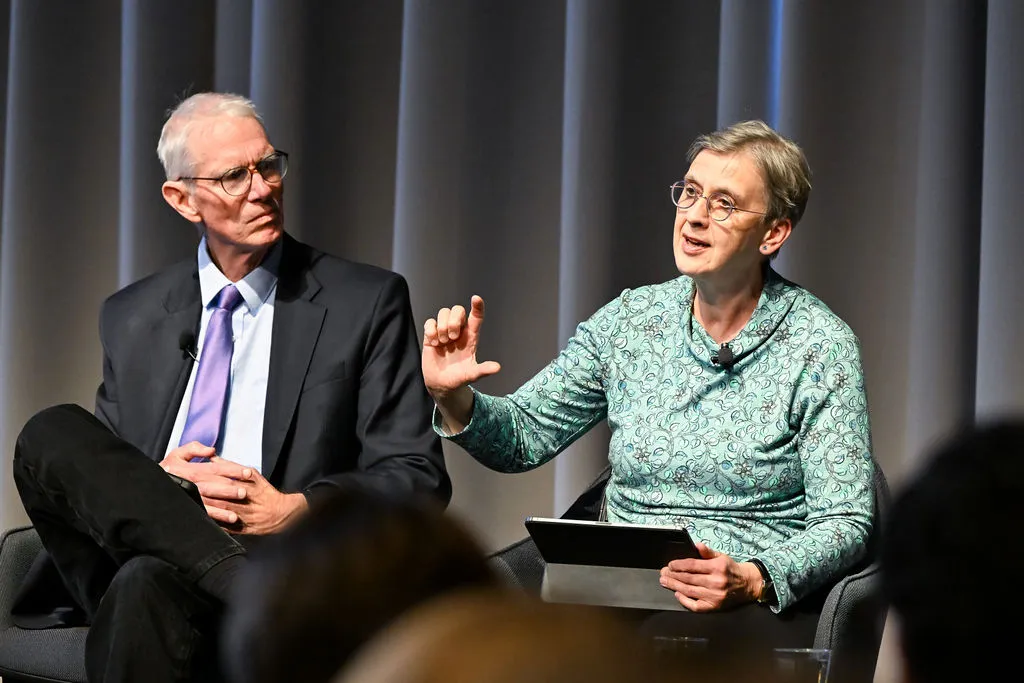
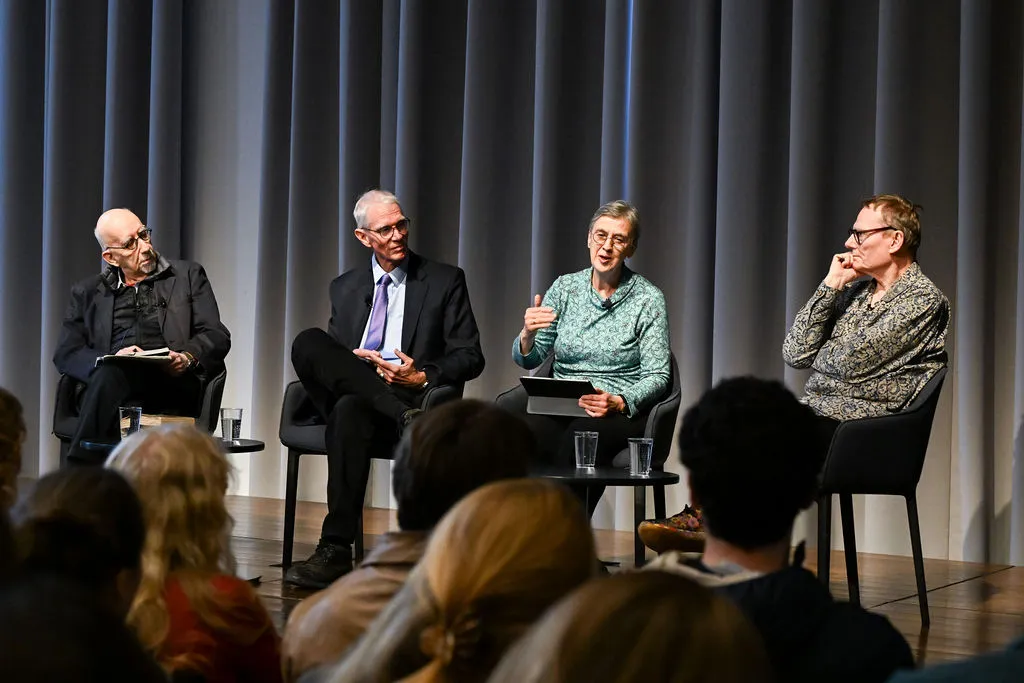
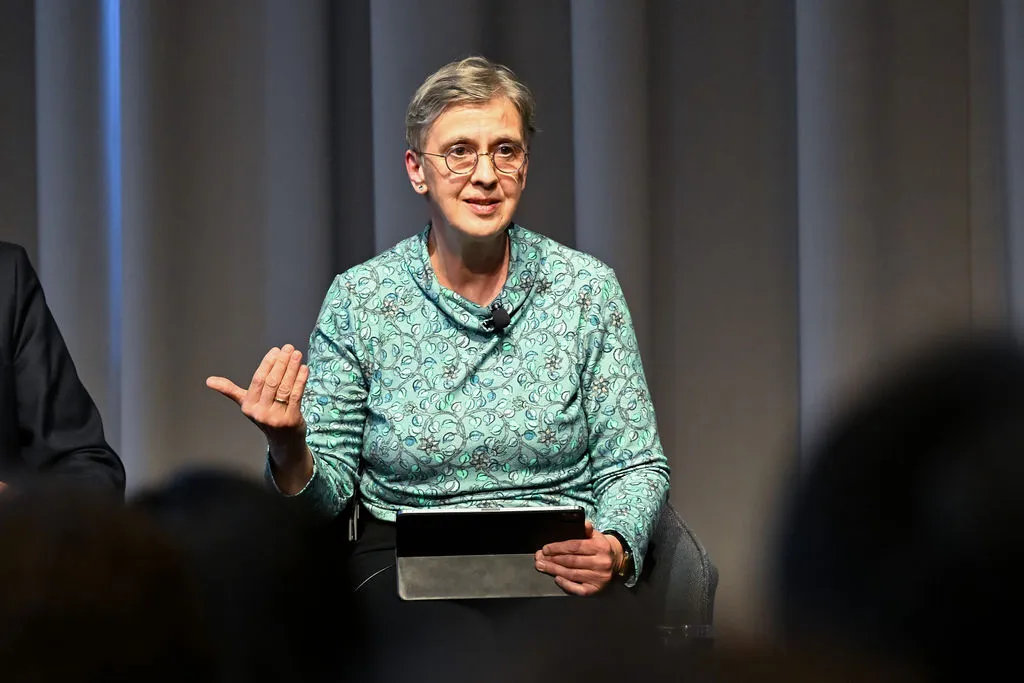
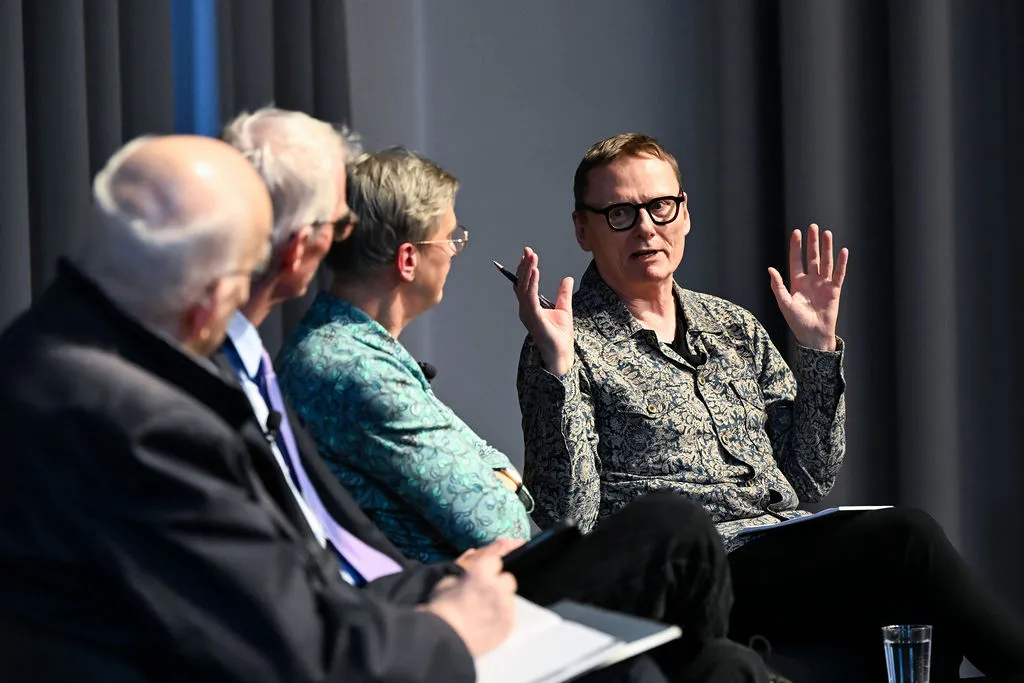
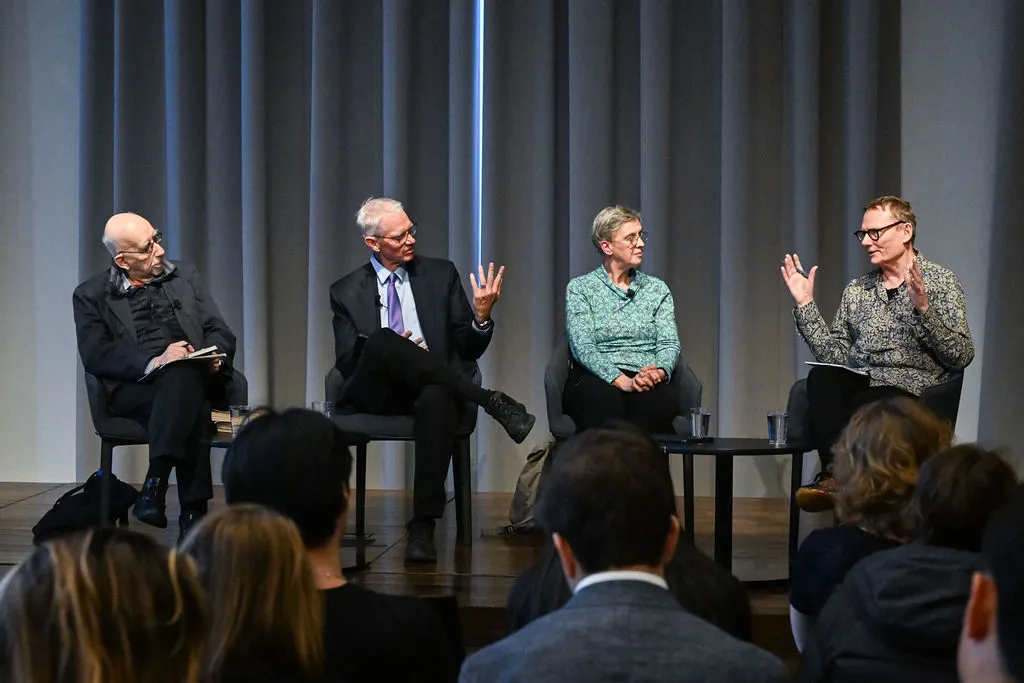
Ober began by staking out the position that a well-regulated market economy is aligned logically with the rule-bound, self-governed characteristics of a democracy.
The challenge, he asserted, arrives when income inequality exceeds tolerable limits and the extremely wealthy seek to capture the government in their own interest: “As the Greeks knew, oligarchy is a constant threat to democracy.” He added, “What is required is a civic bargain that ensures meaningful equality of political influence for all citizens.”
Ober noted that such a bargain requires ensuring adequate levels of education, health, and basic welfare for all citizens, while keeping the elite secure enough in the enjoyment of their after-tax income to encourage ongoing investment in productive economic activity, rather than, say, hoarding or plotting coup d'etat. The bargain also requires an understanding from those forming the bargain that compromise is inevitable, as it is the nature of politics. “Nobody gets their most preferred outcome,” he added.
The hardest part, Ober concluded, is that such a bargain is only possible in “a culture in which citizens recognize that they are better off within an imperfect democratic bargain than they are outside of it.”
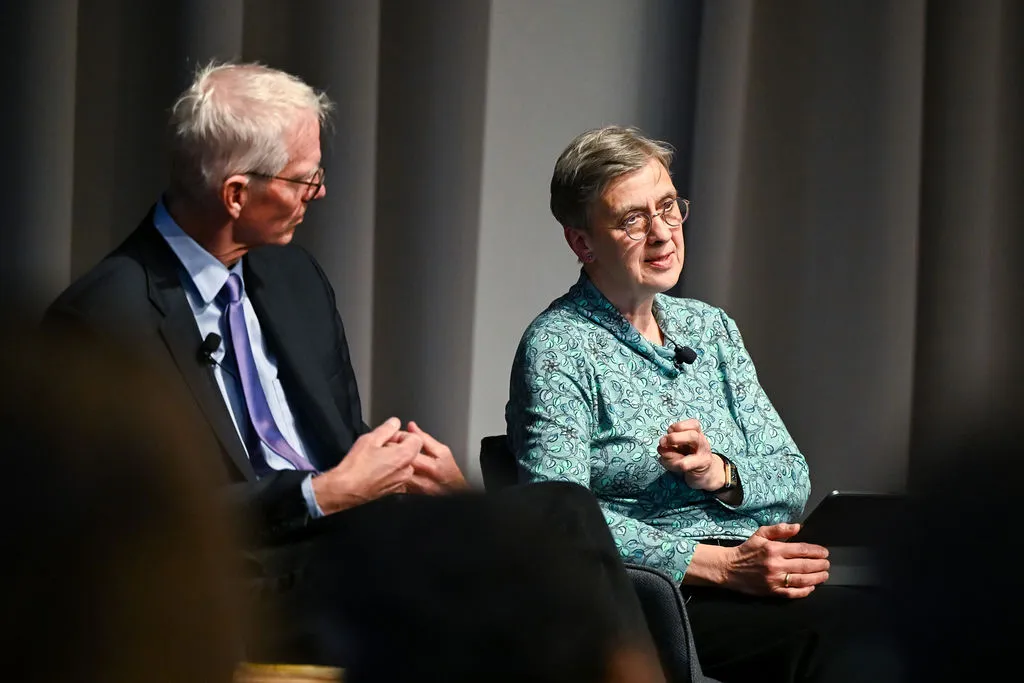
Pistor began by denoting the difference between a market economy and a capitalist economy, describing the latter as “as a market economy on legal steroids.” She went on to discuss the rule of law in the context of a capitalist economy, describing the legal coding that can create wealth-generating and wealth-protecting assets for private actors - capitalists - as well as the historic difficulties faced by democracies attempting to legally restrain capitalism’s excesses.
As Pistor put it, “We just don't regulate the market economy very well, certainly not a capitalist economy very well. When we try, it just takes a couple of years, sometimes decades, for private actors to find ways to use the private legal system to code around the legal constraints, and we're back to where we were.”
In short, Pistor states that “the economy in a capitalist system cannot work for democracy.”
Robinson shifted the conversation towards a non-western case study, examining the interface between the economy and democracy within the village of Umuchieze in Emu State in Eastern Nigeria.
Robinson illustrated the village’s economic and political institutions and the standards of collectivism, wealth distribution and limited jurisdictions that shape these institutions. For example, the land of the village is not considered private property, but rather is owned collectively by four extended kinship groups called kindreds. Furthermore, the people born in this village are tied to it, and even those who leave and become prosperous will share with the kindred of their village, as the impulse of the village is toward the redistribution of wealth and the prosperity of the entire community.
As Robinson explains, “There is a system of rights over this wealth, over the generation of wealth, just like there are rights to access to land.”
Furthermore, the village’s democracy is embedded in their assemblies, in which every resident can partake in conversation, and lacks western elements such as formal voting.
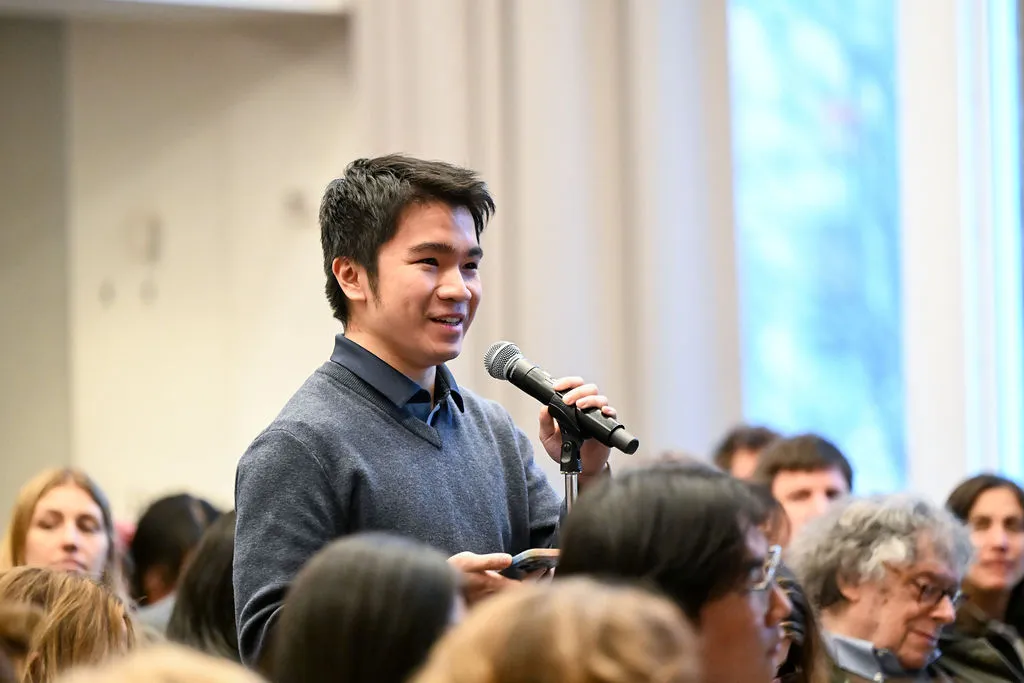
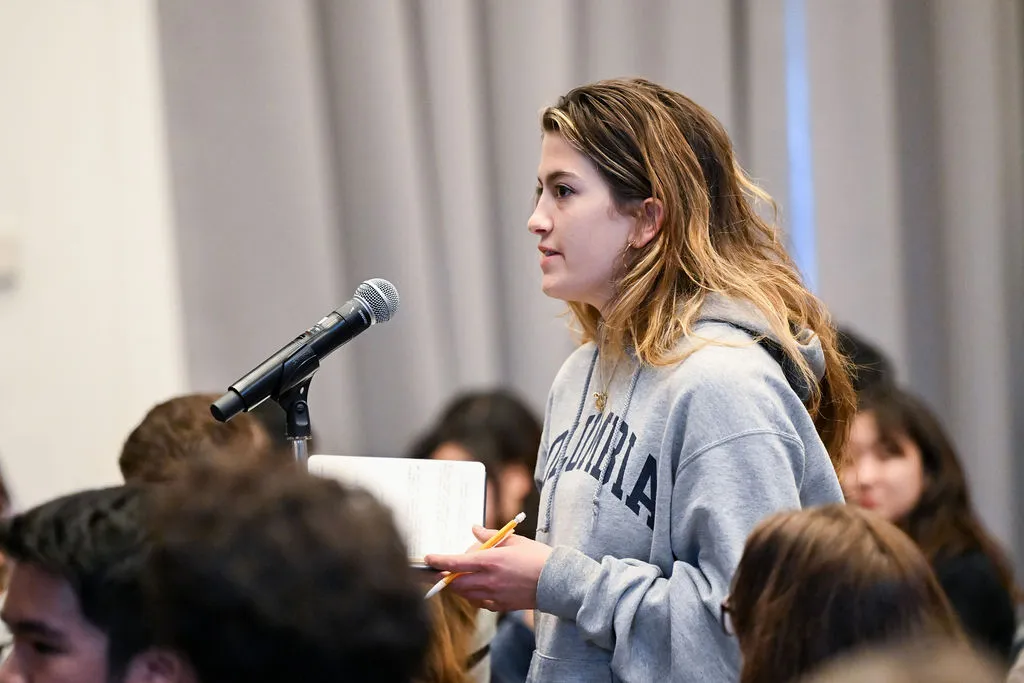
For the remainder of the conversation, Katznelson and the three panelists responded to each other’s statements as well as questions from the audience, identifying points of intersection and comparison as well as considering intellectual paths forward.
Ober discouraged the mindset of a civic bargain as a transactional “zero-sum game” as is rampant in American politics, reinforcing the notion that participation in a civic bargain, though requiring compromise, should be more advantageous for all parties than the withdrawal from one.
Pistor speculated about pathways beyond capitalism and its legal underpinnings and expressed the wish for a reset of the normative foundations of private law to remove the existing incongruences between private and public, democratic law.
Robinson proposed that it may be less challenging than we might think to engineer new social contracts to re-shape our political institutions.
The discussion concluded with final words from Katznelson, as he thanked the panelists fo grappling with a question central to the work of the Center for Political Economy, “Under what conditions can we gain a fertile, robust and achievable goal of richer interconnection of economy and democracy?”
Image Carousel with 8 slides
A carousel is a rotating set of images. Use the previous and next buttons to change the displayed slide
-
Slide 1: (photo by Diane Bondareff)
-
Slide 2: (photo by Diane Bondareff)
-
Slide 3: (photo by Diane Bondareff)
-
Slide 4: (photo by Diane Bondareff)
-
Slide 5: (photo by Diane Bondareff)
-
Slide 6: (photo by Diane Bondareff)
-
Slide 7: (photo by Diane Bondareff)
-
Slide 8: (photo by Diane Bondareff)